What's happening at the Erik Nielsen Whitehorse International Airport?
The Erik Nielsen Whitehorse International Airport is an important link for many critical services in the Yukon.
What’s happening
Between 2023 and 2025, we upgraded Erik Nielsen Whitehorse International Airport so it can serve the Yukon and its visitors into the future. These upgrades improve safety, modernize infrastructure, and support long-term economic growth.
What did we upgrade?
Reconstruction of the main runway is part of a program to improve Erik Neilsen Whitehorse International Airport. This phase included:
- reconstructing the main runway;
- installing new runway edge and approach lighting;
- upgrading taxiways; and
- improving drainage and safety systems.
Earlier phases included upgrades to the parallel runway and apron, the area where aircraft are parked, loaded and unloaded. In 2022 we:
- replaced the apron's aging concrete; and
- upgraded the parallel runway's lighting system and reconstructed its surface.
The surface reconstruction extended the parallel runway's useable surface, which:
- increased safety;
- allowed larger aircraft to land; and
- supported nighttime operations.
The upgrades allowed the parallel runway to operate safely as the primary runway during summer closures of the main runway in 2024 and 2025.
The Government of Canada contributed over $186 million for this project through the National Trade Corridors Fund. The contract was awarded to FlatironDragados Corporation.
Read the following news releases to find more information about these upgrades:
- Government of Yukon celebrates completion of main runway paving at Erik Neilsen Whitehorse International Airport, September 2025
- Statement from Minister of Highways and Public Works on major infrastructure upgrades at Erik Nielsen Whitehorse International Airport, January 2024
- Minister of Transport announces airport improvements in Whitehorse, January 2024
Construction timeline
From May to October 2024, we:
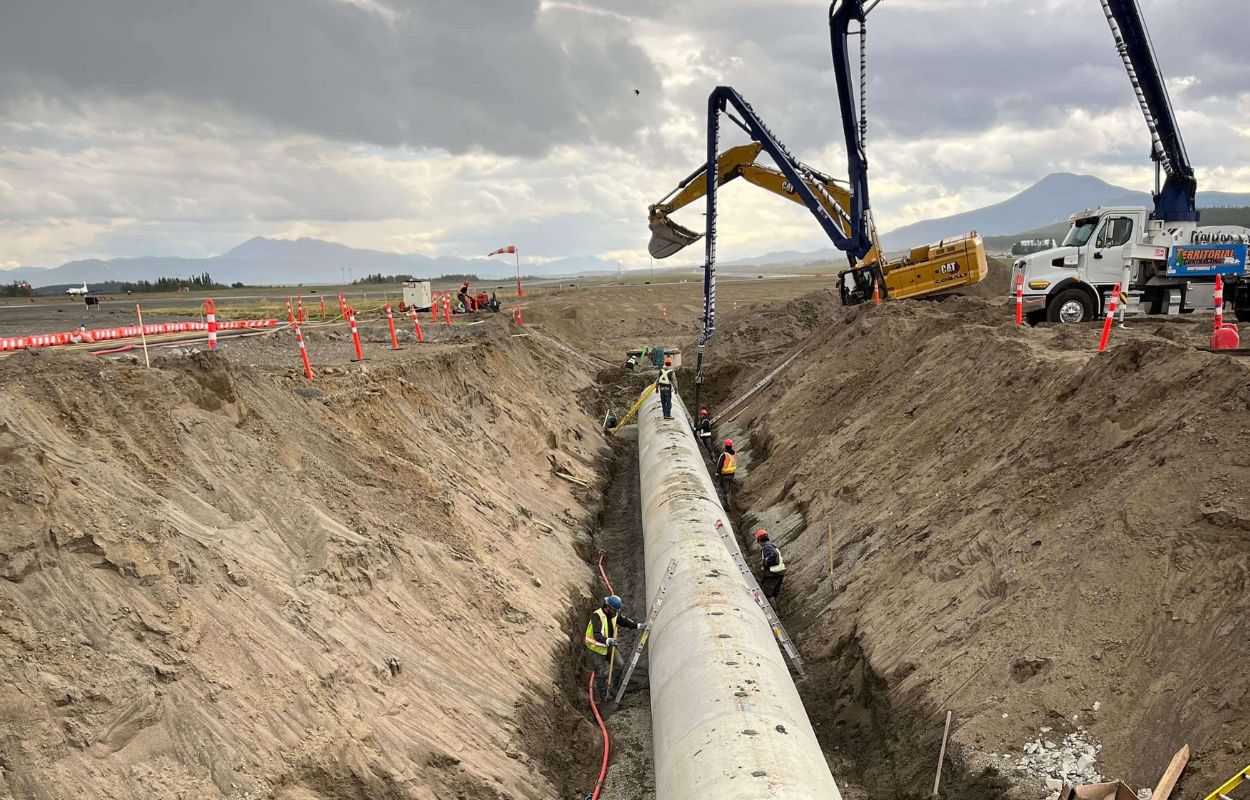
- built new drainage systems;
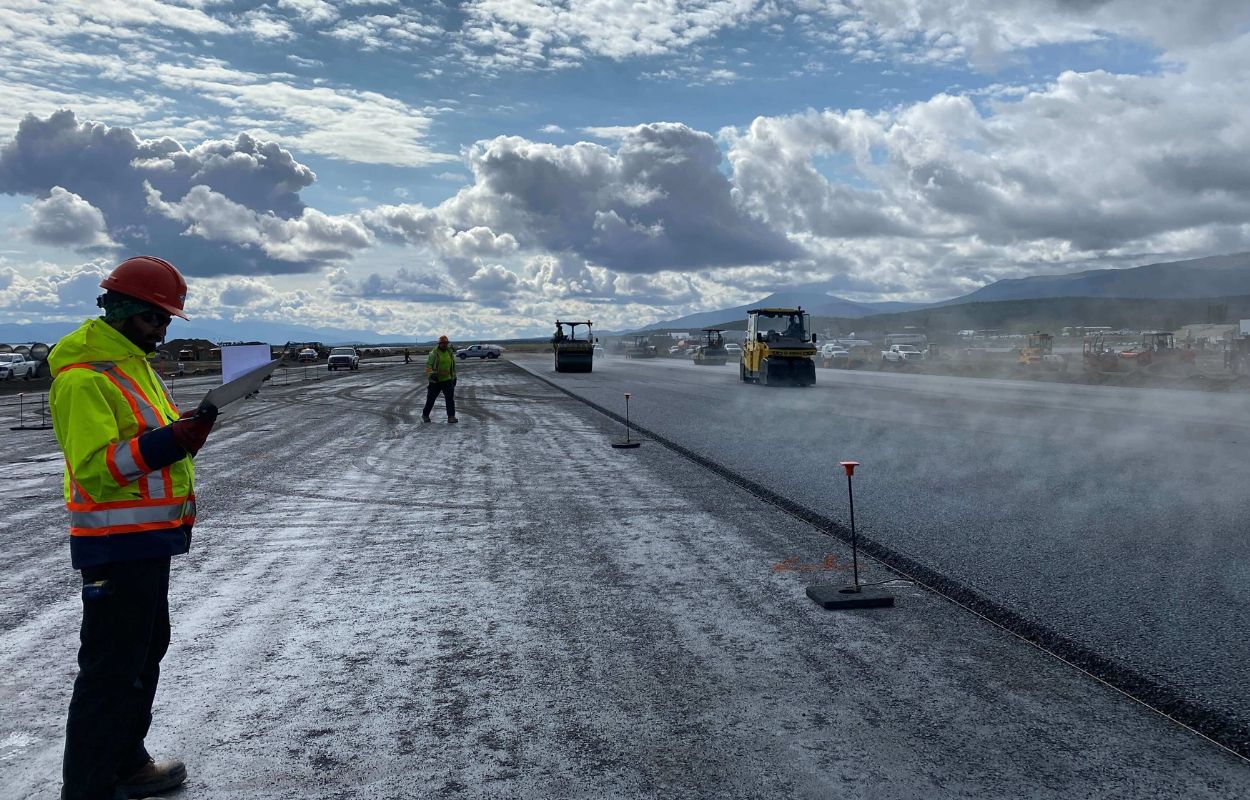
- rebuilt runway surface;
- installed new runway edge lighting;
- built a new taxiway; and
- upgraded electrical systems.
From April to September 2025, work focused on the south half of the main runway. Upgrades include:
- reconstructing the runway surface;
- installing drainage ditches;
- extending Taxiway E;
- installing new south approach lighting towers; and
- completing runway edge lighting.
In September 2025, we completed the main runway paving and reopened it to air traffic. After reopening, we finished:
- the airside service road;
- storm drainage work near the parallel runway;
- additional hydroseeding;
- final grading work; and
- preparation work for the north approach lighting towers.
In summer 2026, the remaining work on this phase of the project will be completed, including:
- the north approach lighting towers;
- hydroseeding; and
- final cleanup.
What are the benefits?
Serving Yukoners
Erik Nielsen Whitehorse International Airport is a critical transportation hub for the Yukon. Replacing the main runway ensures it can continue to serve the Yukon for years to come.
Being greener
The upgrades included new LED runway edge lights and taxiway edge lights. These lights:
- consume less energy;
- have a longer lifespan;
- require less maintenance;
- produce a more uniform output of light; and
- will reduce the airport’s carbon footprint.
Upgrades also used repurposed and recycled materials, such as crushed concrete from the old main runway for the foundation.
Building better
The main runway reconstruction helps the airport continue its operations. It also strengthens the Yukon’s connection to the rest of the world. This is important for:
- tourism;
- supply chain operations;
- Yukon industry and business; and
- Arctic security.
Partnering with First Nations
This project included the participation of the Kwanlin Dün First Nation and the Ta’an Kwäch’än Council though Community Development Agreements. These agreements aimed to maximize socio-economic benefits that matter to each community, including:
- job opportunities;
- subcontracting;
- training; and
- workforce and business development.
Fun construction facts
We used about 65,000 tonnes of asphalt during the pre-project site prep and runway reconstruction.
We installed about 100 new LED runway edge lights and 200 taxiway edge lights.
We buried about 11,000 metres of storm drainage pipe below and alongside the runway. This helps prevent groundwater and precipitation from affecting the new runway surface.
We installed about 5,000 metres of water and sewer utility piping throughout the project.
The south approach lighting towers are up to 57 metres tall.